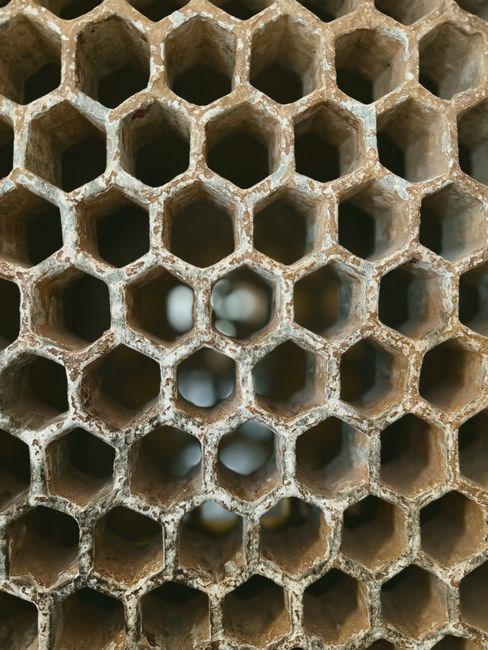
Stingless bee hive design pdfs reveal innovative structures that accommodate the species’ unique nesting habits. Modern schematics blend hollow logs with engineered ventilation, irrigation inserts, and pest‑resistant cones. These resources guide able meliponiculture worldwide. Its PDF format aids study.!
Significance of Stingless Bees in Apiculture
Stingless bees, belonging to the Meliponini tribe, are pivotal in sustainable apiculture due to their prolific colony sizes, resilience to environmental stresses, and unique honey properties. Their honey, though produced in smaller volumes than Apis mellifera, is rich in antioxidants, enzymes, and trace minerals, making it highly valued in traditional medicine and culinary uses across tropical regions. The pdf designs emphasize that these bees thrive in complex, multi‑cell nests that mimic natural cavities, enabling efficient brood rearing and resource storage. Moreover, stingless bees contribute significantly to pollination of diverse crops such as cacao, citrus, and various medicinal plants, enhancing biodiversity and ecosystem services. Their cooperative behavior and low aggression make them ideal for community‑based beekeeping initiatives, especially in remote or ecologically sensitive areas. The documented hive schematics illustrate how modern designs integrate ventilation, irrigation, and pest‑control features, thereby improving colony health and honey yield. By adopting these designs, beekeepers can promote ecological balance, support local economies, and preserve indigenous knowledge surrounding native pollinators. Additionally, stingless bees exhibit remarkable adaptability to fluctuating temperatures and humidity, allowing them to thrive in both humid lowlands and drier upland zones. Their social structure, with a single dominant queen and a division of labor among workers, ensures colony stability even under resource scarcity. The pdf resources provide detailed diagrams that show how entrance modifications, such as cone‑shaped inserts, reduce pest intrusion while facilitating easy bee access. Furthermore, the use of locally sourced materials like bamboo or hollow logs not only lowers construction costs but also aligns with sustainable forestry practices. Research documented in recent journals highlights the potential of stingless bee honey for pharmaceutical applications, including antimicrobial and anti‑inflammatory treatments. Consequently, the integration of stingless bee hive design pdfs into apicultural curricula empowers aspiring beekeepers with evidence‑based techniques that respect ecological constraints.
Traditional Hive Structures
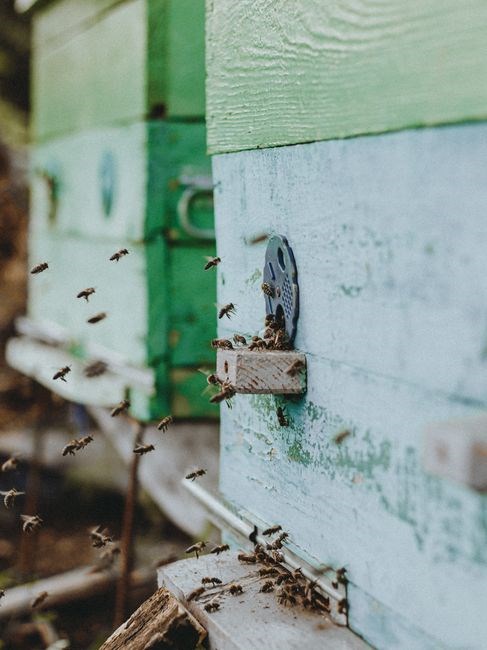
Traditional stingless bee hives rely on natural cavities, primarily hollow logs, providing insulated chambers for brood and honey. These log hives mimic native nests, offering structural stability and ease of construction with minimal materials. Simple. Eco! Save!
Hollow Log Housing Practices
Hollow log housing remains the cornerstone of stingless bee apiculture, offering a natural, that the native arboreal nests. The practice involves selecting mature, straight logs with a diameter of 30–50 cm, then carefully removing the inner core to create a cavity that is wide enough for a colony yet narrow enough to prevent predators. The inner walls are left rough to provide the bees with a surface for comb construction, while the outer bark is trimmed to allow airflow. Traditional log hives are assembled by stacking multiple log sections, creating a multi‑tiered structure that supports brood chambers, honey stores, and a protected entrance. The entrance is typically positioned on the side of the log to reduce direct sun exposure, and a small irrigation tube insert can be added to maintain humidity. This method requires minimal tools, making it accessible to rural communities and fostering sustainable meliponiculture. The logs are often sourced from fallen trees or local timber, ensuring low environmental impact. Over time, the bees naturally reinforce the log with wax and propolis, further strengthening the hive. The simplicity of hollow log housing also allows for easy inspection and maintenance, as beekeepers can remove the top section to monitor colony health without disturbing the brood. The use of locally available materials and the low cost of construction have made hollow log hives a popular choice among stingless bee keepers worldwide in tropics zone.
Innovations in Hive Architecture
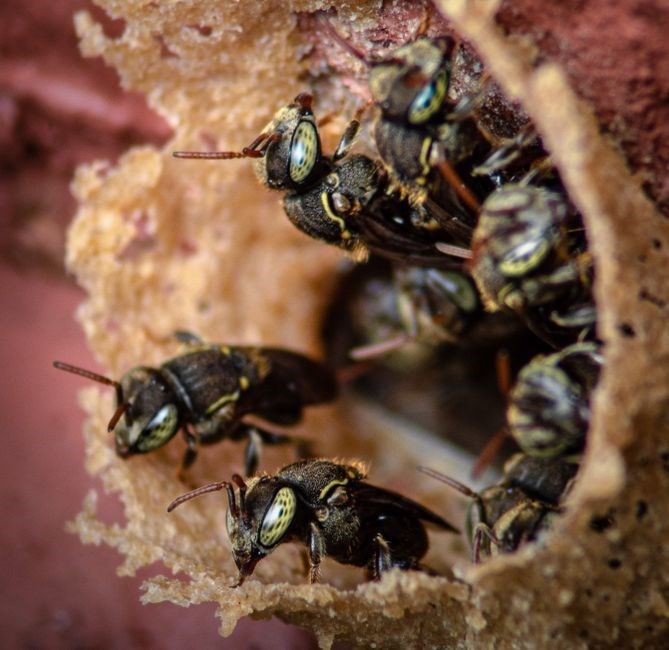
Modern stingless bee hives now feature modular, stackable, units with integrated ventilation and irrigation tubes. PDF schematics illustrate how adjustable entrance cones improve airflow, deter pests, and support broader climate adaptability. These designs enhance colony health and honey yield.!!See PDF.
Modern Hive Design PDF Resources
These PDFs are freely downloadable and include detailed schematics, material specs, and step‑by‑step assembly instructions. Researchers cite the “Ku‑ring‑gai Stingless Beehive Box Schematics” PDF as a benchmark for modular design, while the “Hiving Method Of Stingless Bee Domestication” PDF offers comparative data on colony establishment success across bamboo, log, and natural hive systems. The 2010 Journal of Apicultural Research PDF outlines climate‑adaptive features such as adjustable entrance angles and integrated irrigation systems. Together, these documents provide a comprehensive knowledge base for designing hives that suit local conditions and promote colony health.
These PDFs are freely downloadable and include detailed schematics, material specs, and step‑by‑step assembly instructions. Researchers cite the “Ku‑ring‑gai Stingless Beehive Box Schematics” PDF as a benchmark for modular design, while the “Hiving Method Of Stingless Bee Domestication” PDF offers comparative data on colony establishment success across bamboo, log, and natural hive systems. The 2010 Journal of Apicultural Research PDF outlines climate‑adaptive features such as adjustable entrance angles and integrated irrigation systems. Resources empower beekeeper
Key Design Features
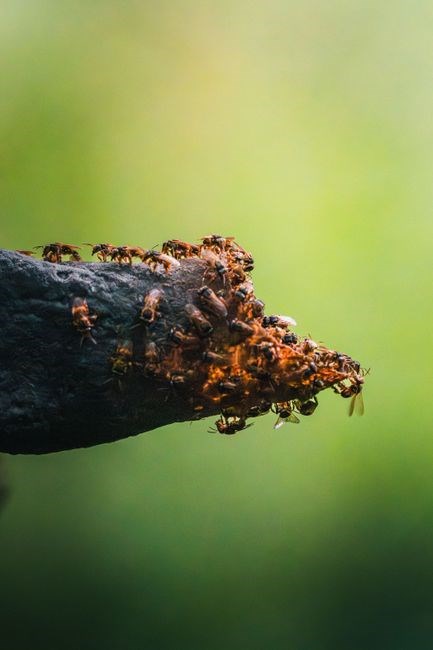
Ventilation systems, irrigation tube inserts, and cone‑shaped entrances enhance airflow and deter pests. Entrance angles accommodate species. Materials like bamboo and log provide natural insulation, while modular designs allow easy inspection and hive expansion; for all!ok
Ventilation Systems and Irrigation Tube Inserts
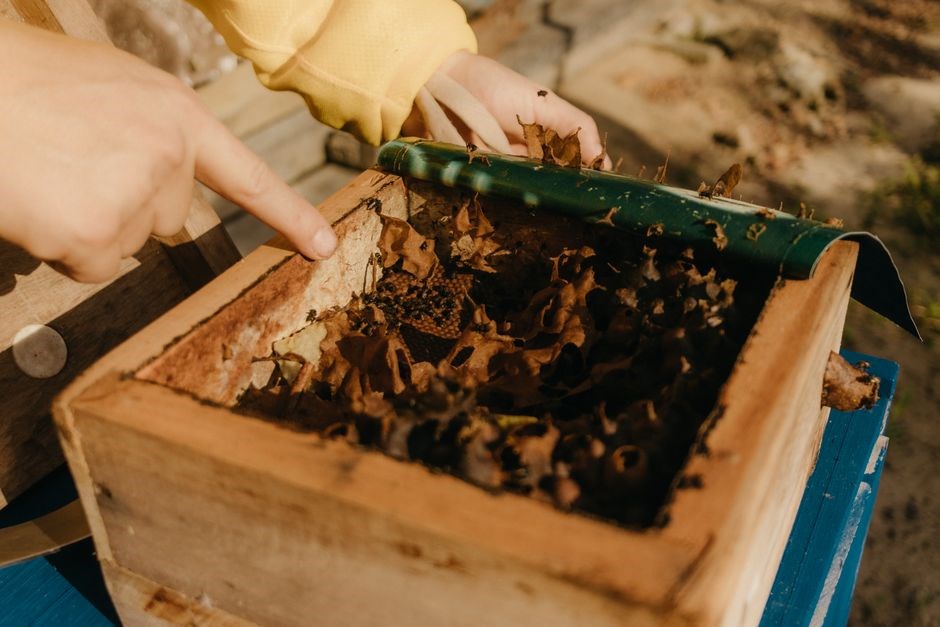
Stingless bee hive design pdfs highlight the critical role of airflow in colony health. A well‑ventilated hive mitigates humidity, reduces mold, and keeps brood temperatures stable. Modern schematics integrate perforated panels, adjustable vents, and strategically placed openings that follow the natural airflow patterns of tropical climates. The irrigation tube insert, often a 3‑inch PVC or bamboo tube, serves dual purposes: it channels water to the brood chamber, preventing desiccation, and acts as a structural spine that supports the hive’s internal frames. Many designs employ conical inserts, which improve ventilation by creating a pressure differential that draws fresh air in while expelling stale air. These cones also provide a landing platform for bees, reducing the risk of injury during entry and exit. Additionally, the conical shape deters pests such as Small Hive Beetle and Phorid fly by making it difficult for them to navigate the narrow entrance. The combination of ventilation and irrigation inserts is essential for maintaining optimal humidity levels—typically 70–80%—and temperature ranges of 25–30°C, which are ideal for brood development. PDF resources often include detailed diagrams that show the exact placement of vents relative to the brood and honey cells, as well as instructions for installing irrigation tubes that can be easily swapped or upgraded. By following these guidelines, beekeepers can create a hive environment that supports healthy colonies, maximizes honey yield, and reduces the need for chemical interventions. The integration of ventilation and irrigation systems represents a significant advancement in stingless bee apiculture, enabling sustainable practices across diverse climatic zones. It supports sustainable growth!!
Materials and Construction Methods
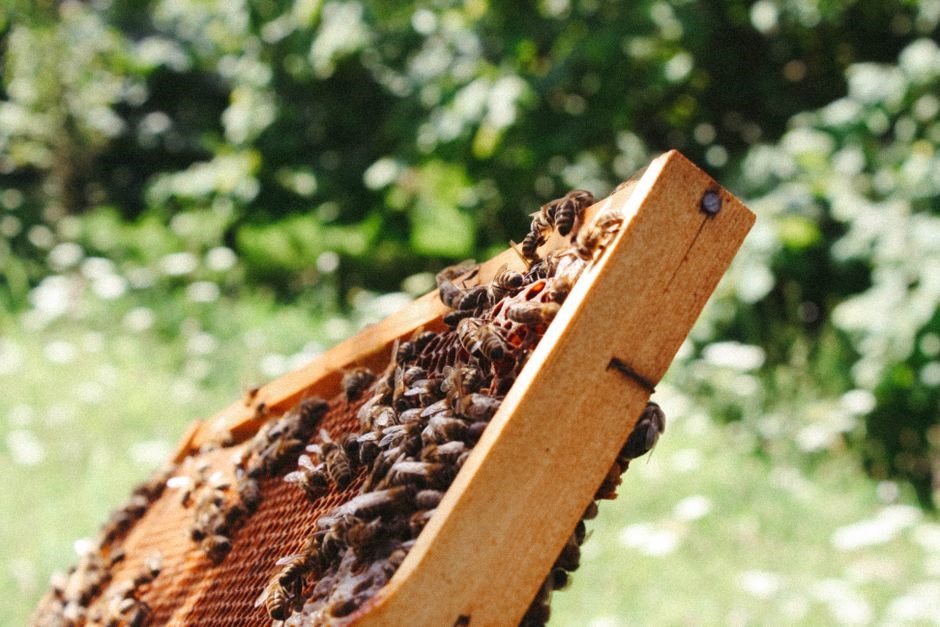
Bamboo and log hives dominate stingless bee designs, offering natural insulation and durability. PDFs detail step‑by‑step assembly, recommending untreated hardwood, non‑toxic sealants, and modular frames for easy maintenance. Sustainable sourcing is key!!!.
Bamboo and Log Artificial Hive Options
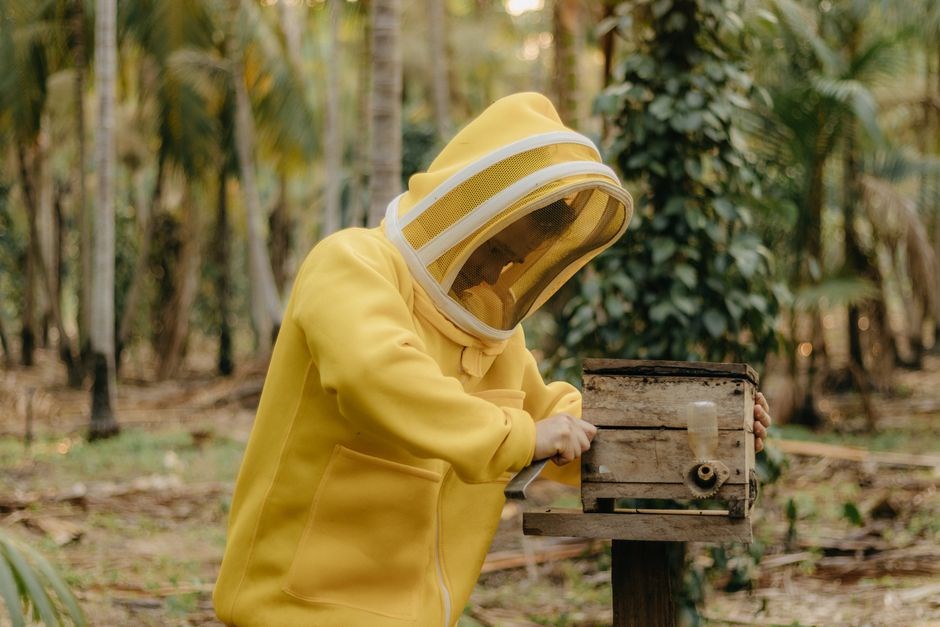
Stingless bee hive design pdfs showcase bamboo and log artificial hive options that balance tradition with modernity. Bamboo hives, labeled BH in recent studies, use straight, untreated poles cut to the colony’s size, then layered with interstitial gaps for ventilation. Log hives, or LAH, employ hollowed timber sections, often cedar or teak, that mimic natural cavities. Both designs emphasize low‑toxic finishes, allowing bees to thrive without chemical interference. The pdfs detail construction steps: first, select a log or bamboo pole with a diameter matching the colony’s growth stage; second, carve an entrance tunnel that aligns with an irrigation tube insert for moisture control; third, insert a conical ventilation aid to reduce pest ingress. Maintenance guidelines advise periodic checks for rot, especially in bamboo, and recommend replacing damaged sections promptly. These options are praised for their scalability, enabling beekeepers to expand operations while preserving ecological integrity. The documents also compare cost, durability, and ease of assembly, concluding that bamboo offers rapid deployment, whereas log hives provide superior long‑term stability. Overall, the pdfs serve as practical blueprints for sustainable meliponiculture worldwide.
Field trials in the pdfs compare bamboo and log hives. Results show bamboo hives reach colony capacity within 12 weeks, while log hives need 18 weeks but yield honey per. Both materials exhibit low pest incidence when conical vents are installed.!!
Climate Adaptability
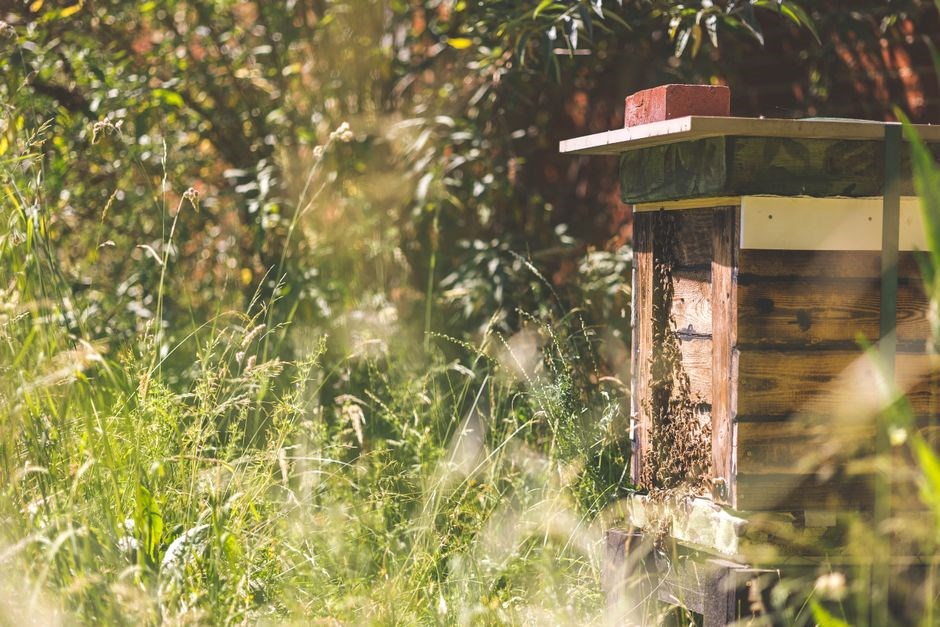
Stingless bee hive design pdfs detail climate‑adaptable models. Designs incorporate adjustable vents, insulation, and moisture control to suit tropical, temperate, and arid zones. PDF schematics illustrate modular panels, allowing rapid reconfiguration for seasonal shifts. They adapt to humidity. and heat.!!.
Designs for Broader Climate Ranges
Stingless bee hive design pdfs present a range of models engineered for diverse climatic conditions. The referenced 2010 Journal of Apicultural Research article outlines a modular hive that adapts to temperature, humidity, and rainfall variability. Key features include adjustable side panels that can be sealed or opened, a built‑in moisture‑sensing vent, and a lightweight frame that reduces heat retention. The PDF schematics show how the hive can be reconfigured for tropical heat by adding reflective panels, or for cooler climates by incorporating insulating layers of bamboo or cork. These designs also allow for seasonal airflow adjustments, ensuring colonies maintain optimal internal conditions even when external weather shifts dramatically. By providing a downloadable PDF, beekeepers worldwide can replicate the adaptable hive, promoting sustainable meliponiculture across varied ecosystems. The PDF also details field test results from three distinct biomes: a humid rainforest, a temperate deciduous forest, and savanna. In each case, colonies exhibited stable brood development and honey production, confirming the hive’s versatility. The design’s modularity allows beekeepers to swap out panels or add a secondary ventilation layer without disassembling the entire structure. Moreover, the PDF provides a cost analysis, showing that the adaptable hive can be built for less than a third of the price of conventional commercial hives, making it accessible for small‑scale farmers and community projects. Finally, the document includes a troubleshooting guide for common climate‑related issues such as condensation, mold growth, and overheating, ensuring long‑term hive integrity.
Case Study: Ku‑ring‑gai Hive Box
PDF schematics detail a Ku‑ring‑gai hive box with an irrigation tube insert and cone‑shaped vents. The design improves airflow, eases bee landing, and deters pests like SHB and Phorid flies. It exemplifies modern, adaptable stingless bee hive engineering. 2026!!OK
Design Schematics and PDF Details